
Deep Dive: Curing Age At the Cellular Level
The billionaire bet to reprogram aging itself, and the science behind it.
The top technology entrepreneurs of our generation are investing billions into reversing aging.
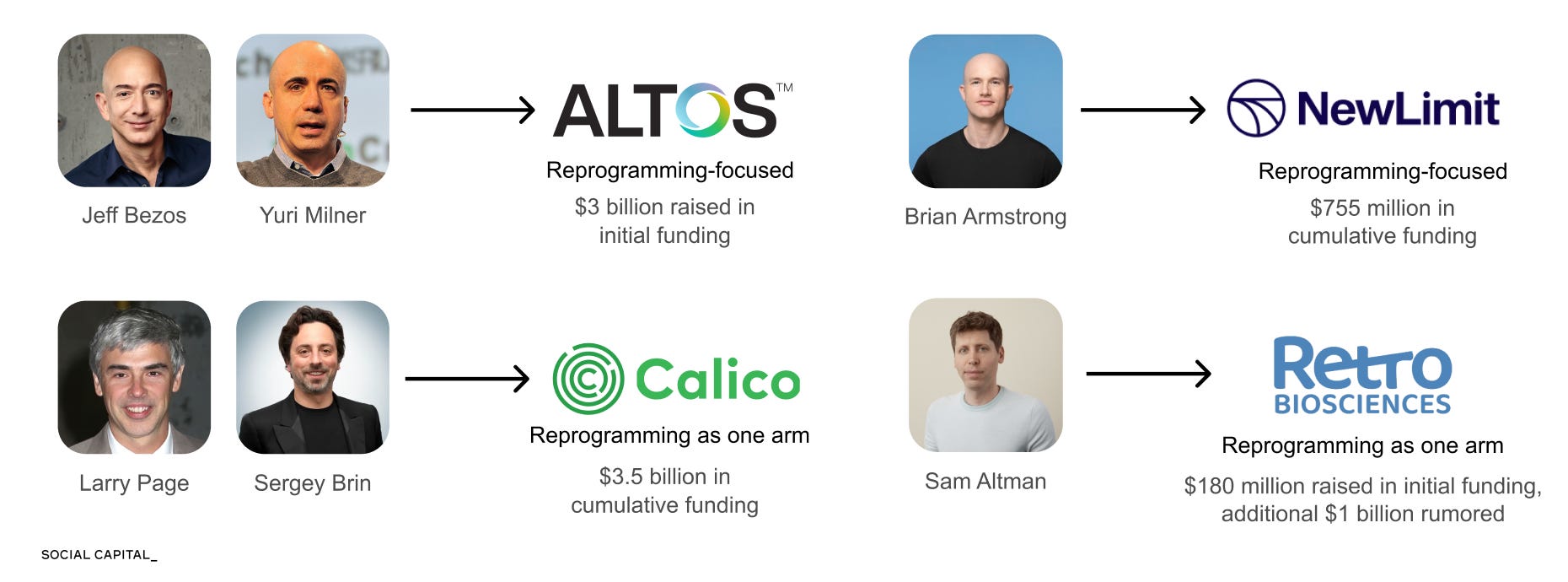
Each is betting that the best way to reverse aging is with cellular reprogramming: the process of resetting cells without changing their identity.
The theory is that aging is partly driven by changes in how cells read and use their DNA, so resetting those instructions could restore function across many tissues at once rather than treating one age-related disease at a time.
But there are significant risks with this approach.
Most cells in the human body are specialized. They have specific jobs: skin cells, muscle cells, and neurons, for example. Fully reprogramming a cell means removing that cell’s specialization. When this happens, the cell abandons its core function and becomes stem cell-like.
But if every cell in a tissue is reset to a stem cell-like state, the tissue can no longer perform its normal function. Full reprogramming can also trigger uncontrolled growth and tumor formation.
Yet within the risks of full reprogramming was a breakthrough that earned stem-cell researcher Shinya Yamanaka the Nobel Prize in 2012.
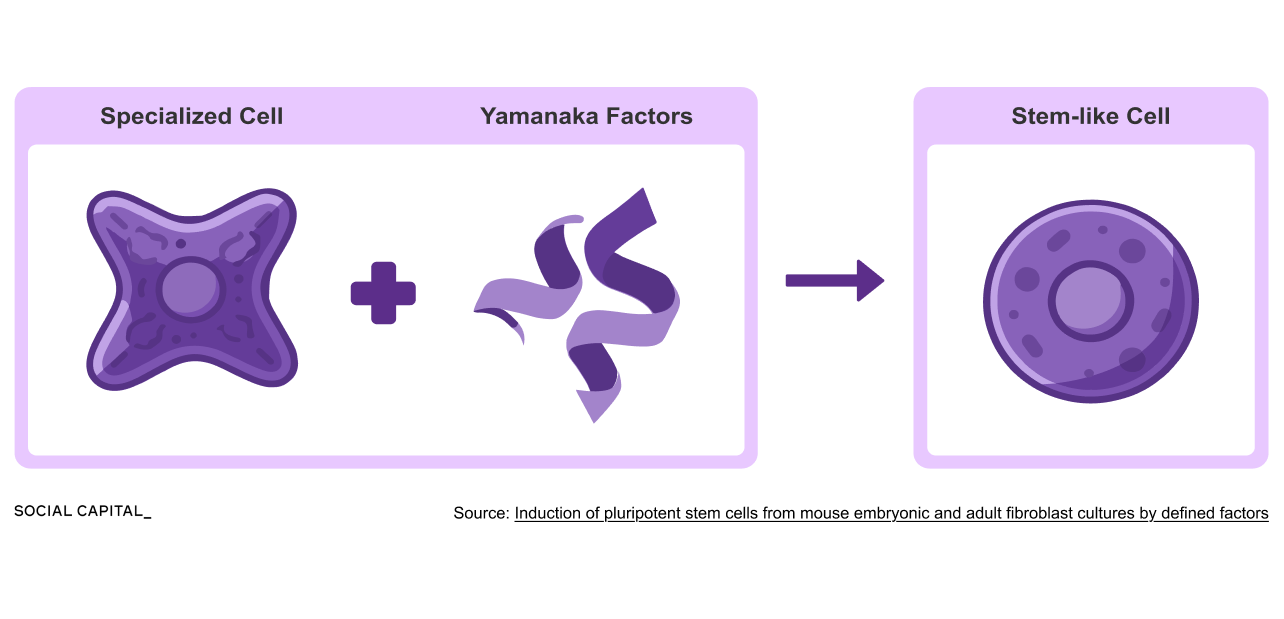
Yamanaka and his team showed that four proteins, now called Yamanaka factors, when introduced into an adult cell, act as a master reset: they switch off the cell’s specialized identity and return it to the blank, embryonic-like state it started from.
It was later demonstrated that if cells are exposed to these Yamanaka factors for only a short amount of time, they can improve cellular function and tissue repair without erasing their specialization. In other words, an old cell can regain some functions lost with age, with a lower risk of tumor formation.
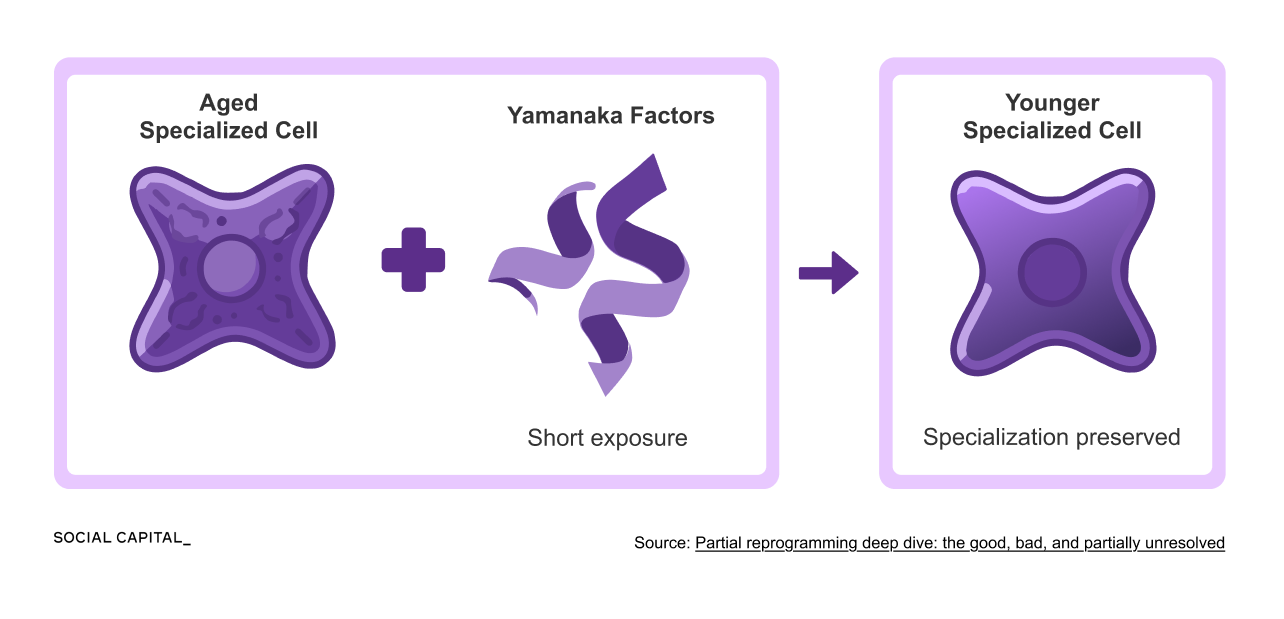
This is called partial reprogramming.
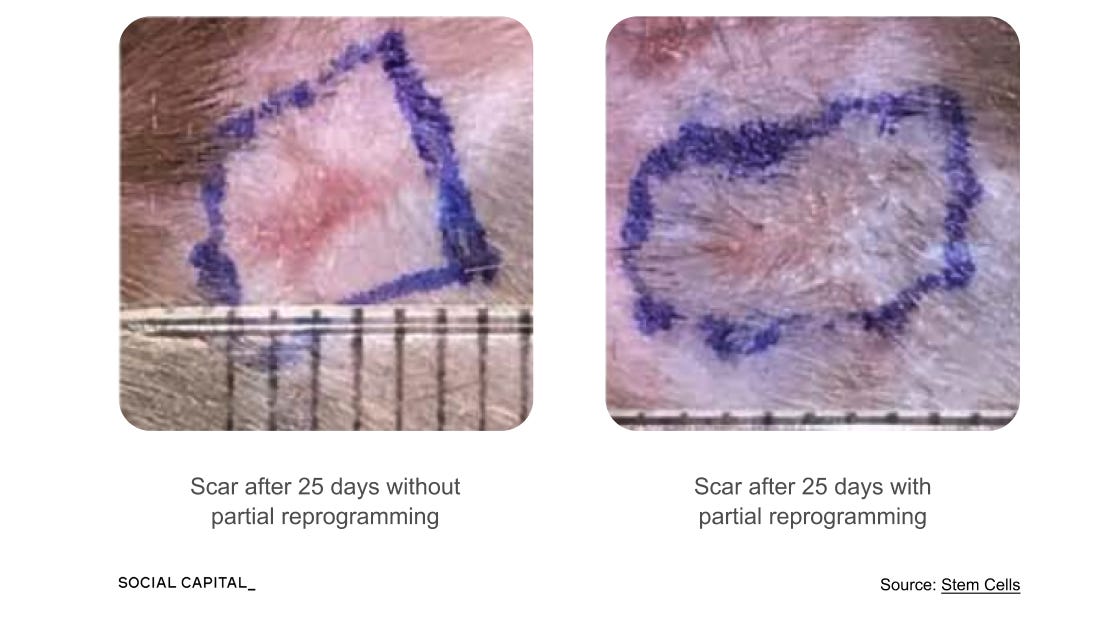
Animal studies suggest partial reprogramming can speed up muscle regeneration, reduce scar formation, and reduce vision loss once thought permanent.
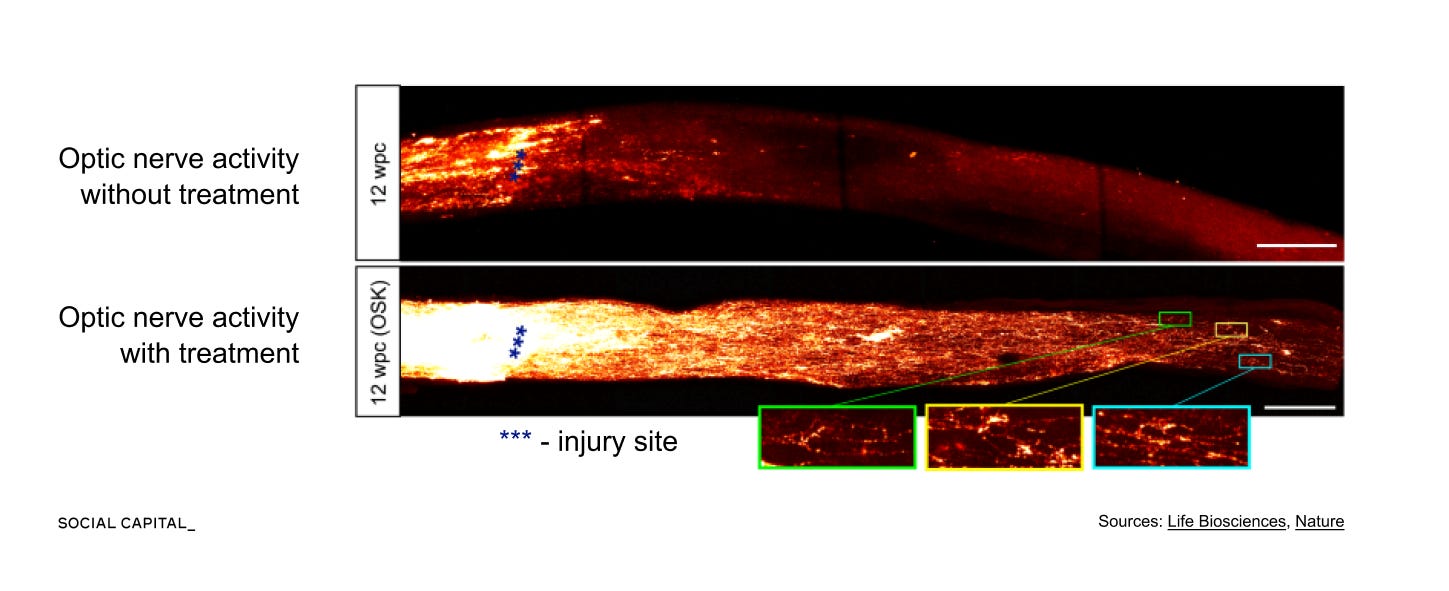
Partial reprogramming is just one approach within Advanced Bioengineering, itself one of four scientific paths seeking to cure aging (more in our deep dive below).
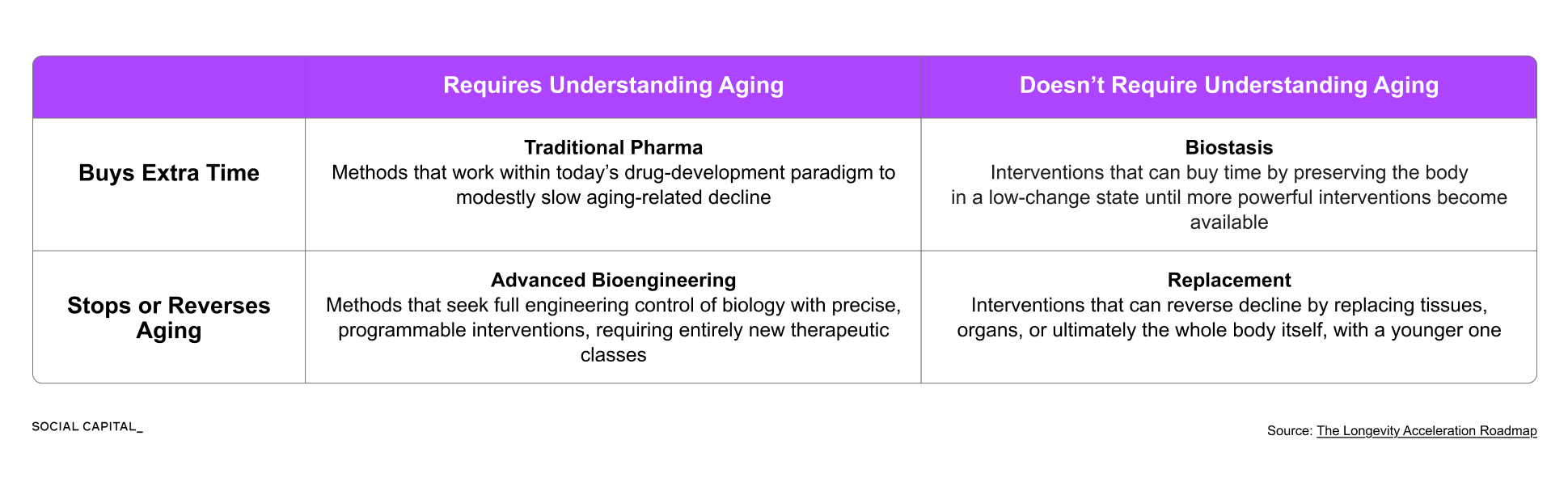
Every lab, every startup, every person writing a check in longevity biotech, is making one of these four bets. You can sort them with two questions:
Does the approach try to buy time, or stop and reverse aging outright?
Does the approach require us to understand what causes aging, or can it work without that knowledge?
Each strategy has different requirements for success, regulatory paths, capital structures, timelines, and risks.
To understand these bets fully, Social Capital partnered with a team of leading researchers who are actively developing and testing these approaches to produce a two-part deep dive into longevity biotech and aging research.
In part one, we focused on the biology of aging, why it is the single biggest risk factor of death, and the structural bottlenecks holding back innovation in the space.
In part two, we focused on the four approaches researchers and companies are using to overcome these bottlenecks and answer the following questions:
What does each strategy try to achieve, and what is the evidence behind them?
Which of these four bets is closest to producing an approved therapy, and which is furthest?
What are the first clinical milestones each strategy can reach?
Where is capital flowing?
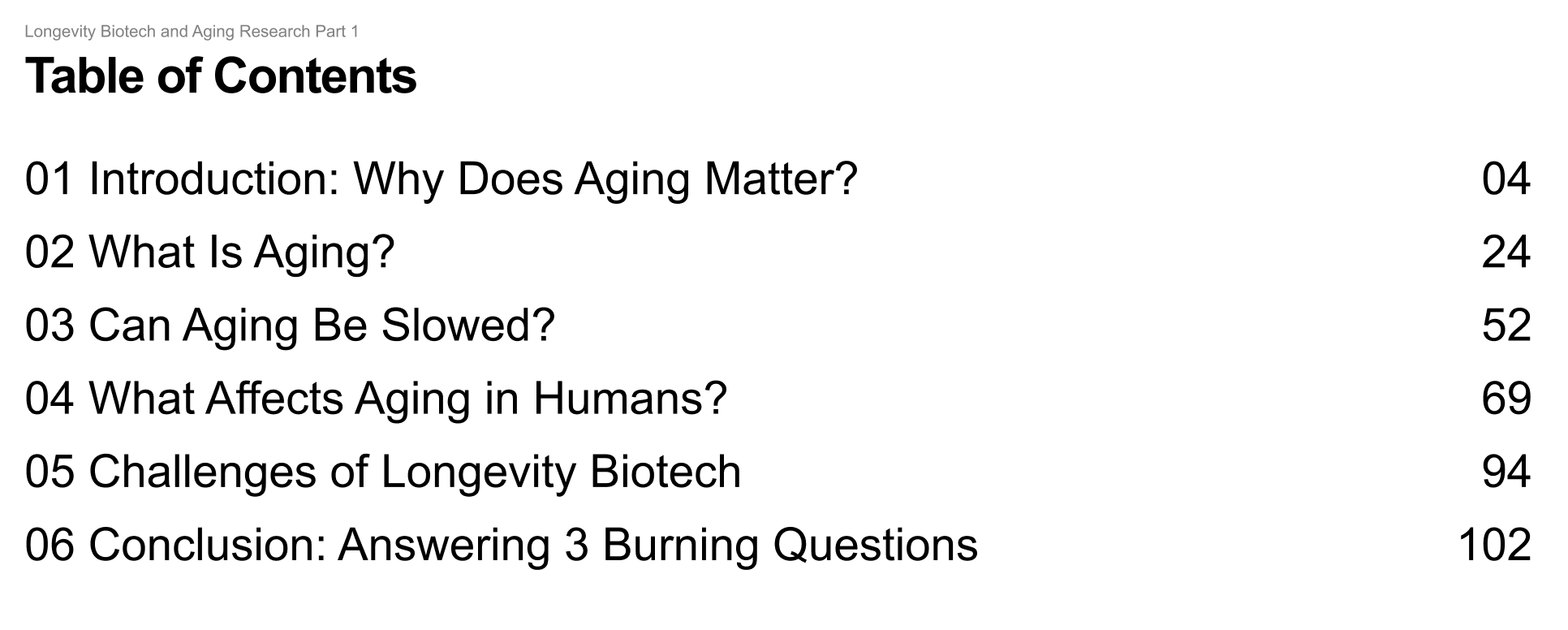
Special thanks to Aleksandr Sviridov and his colleagues, whose research contributions helped shape this Deep Dive.
Sign up below to read the full Deep Dive (and get all our past releases, including part one of this series).
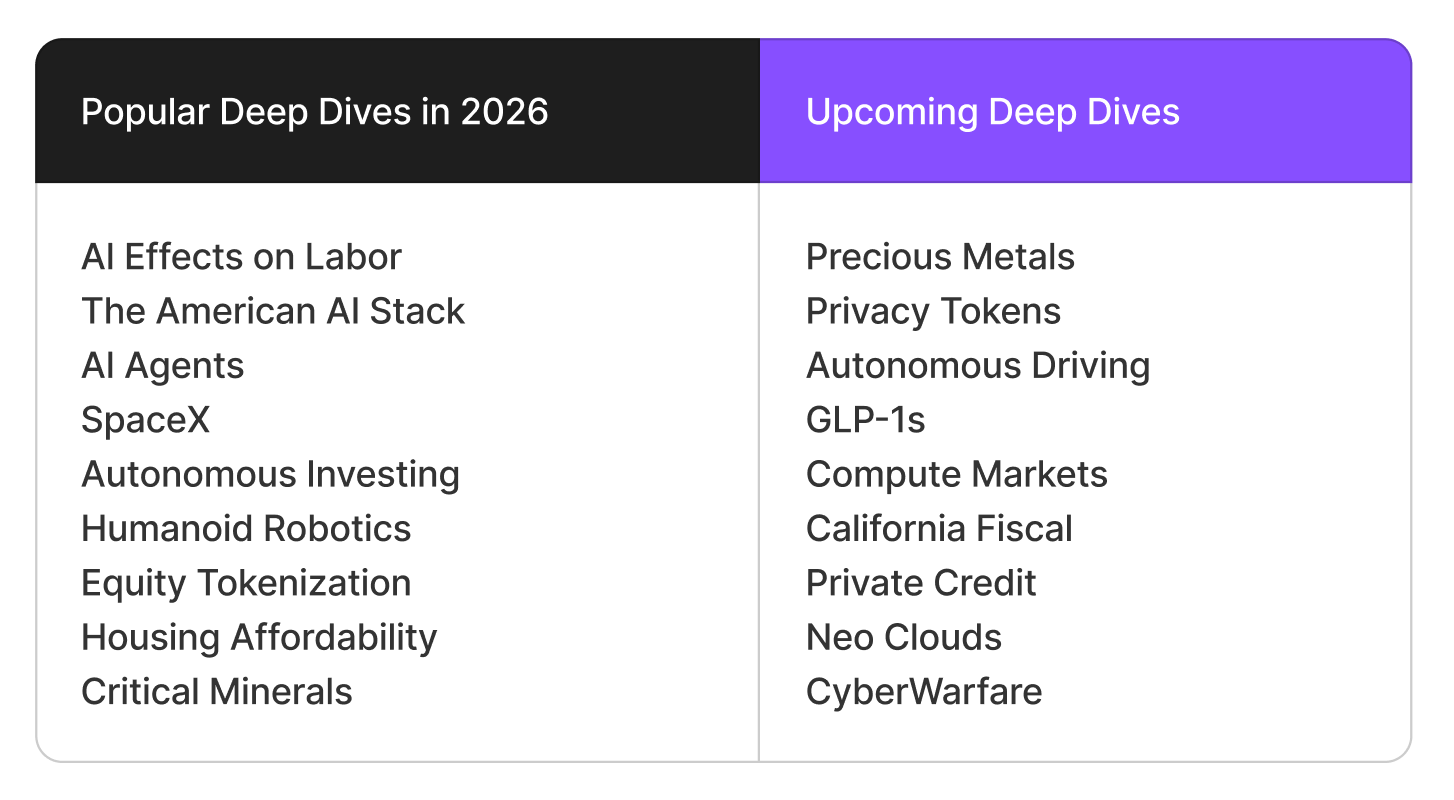
After you read, let me know which strategy you think has the most promise and where you’d like us to go deeper next.
Chamath
Disclaimer: The views and opinions expressed above are current as of the date of this document and are subject to change without notice. Materials referenced above will be provided for educational purposes only. None of the above will include investment advice, a recommendation or an offer to sell, or a solicitation of an offer to buy, any securities or investment products.
Deep Dive PDF below ↓